We've noticed this article pertaining to How Tree Roots Can Damage Your Sewer Line listed below on the web and decided it made sense to write about it with you here.
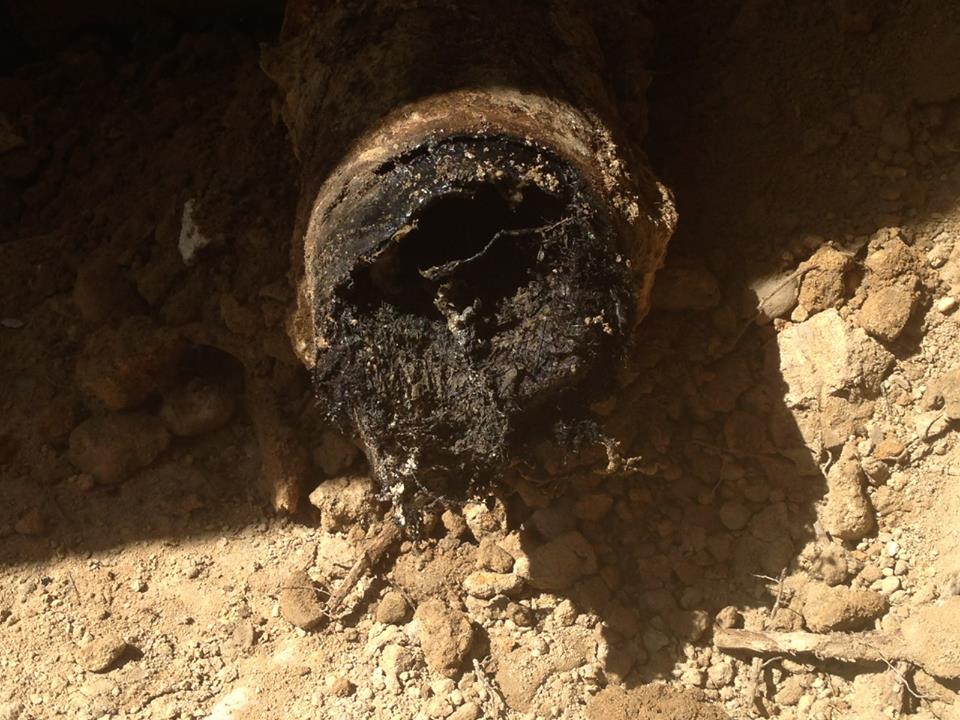
Tree roots are a surprise yet substantial threat to your plumbing system. While trees boost the beauty of your backyard and offer color, their roots can damage below ground pipes, leading to clogs, leakages, and pricey fixings. Recognizing just how to stop tree roots from damaging your pipes is vital for maintaining a healthy and balanced and effective system. This short article discovers reliable approaches to secure your pipes while maintaining the beauty of your landscape.
Understand the Trouble: How Tree Beginnings Damages Plumbing
Tree roots normally look for wetness and nutrients, that makes your below ground pipes an attractive target. Small cracks or loosened joints in pipelines launch dampness, attracting origins that infiltrate with these openings. Over time, the origins grow larger, triggering blockages, pipeline breaks, and even full system failure.
Usual indications of origin intrusion consist of:
Early discovery and proactive measures are vital to avoid costly damage.
Select the Right Trees for Your Landscape
When growing trees near your home, choose species with much less aggressive origin systems. Some trees are notorious for their intrusive roots, such as willows, poplars, and silver maples. Instead, consider growing trees with non-invasive roots, like:
In addition, plant trees at a secure distance from your pipes system. As a general rule, plant trees at the very least as far from your home as their mature elevation.
Usage Origin Barriers.
Setting up physical root barriers is an effective way to protect your plumbing. These obstacles produce an obstacle between the tree roots and your pipelines, guiding roots to grow deeper or far from the pipes. Root obstacles are usually made of resilient materials like plastic or steel and need to be installed by an expert to guarantee optimum effectiveness.
Regularly Inspect and Preserve Your Pipes.
Routine plumbing assessments can identify prospective problems before they intensify. A professional plumbing can utilize innovative techniques like video clip pipeline examinations to discover origin breach or various other susceptabilities in your system. Setting up evaluations every year or semi-annually is specifically essential if your home is surrounded by fully grown trees.
Routine maintenance, such as hydro jetting or drainpipe cleansing, can likewise assist keep your pipelines clear and reduce the opportunities of root-related obstructions.
Repair Service Cracked or Damaged Water Lines.
Tree origins are more probable to invade pipes that are currently jeopardized. If your pipes has splits, loose joints, or other weak points, it's necessary to fix these concerns promptly. Modern pipe repair work techniques, such as pipe relining, can seal fractures and create a seamless indoor surface area that is immune to root seepage.
Think About Using Root-Repellent Products.
Chemical root repellents can be an effective deterrent for tree origins. These products develop an obstacle around your pipelines, preventing origins from expanding near them. Generally utilized root repellents include copper sulfate and potassium hydroxide. Nevertheless, these chemicals must be applied thoroughly, as improper usage can harm neighboring plants and the atmosphere.
Install a Trenchless Sewage System Line.
If your pipes system is older or especially vulnerable to root damage, upgrading to a trenchless sewage system line may be a rewarding investment. Trenchless systems use modern-day materials that are much more immune to root intrusion and can be installed with minimal disruption to your landscaping. While this solution needs an ahead of time expense, it can save money on repairs and maintenance in the long run.
Water Trees Tactically.
Tree roots usually invade pipes due to the fact that they are searching for water. Giving your trees with appropriate water via proper watering can decrease the possibility of origins seeking dampness from your pipelines. Use drip watering systems to guarantee deep and also watering, motivating roots to grow downwards as opposed to in the direction of your pipes.
Educate Yourself Concerning Your Property's Plumbing Layout.
Understanding where your plumbing pipes are located is essential for reliable prevention. Before growing new trees or landscaping, seek advice from a specialist to map out your below ground energies. This info will certainly assist you plan your landscape design efforts and stay clear of planting trees too close to prone locations.
Seek Expert Assist for Severe Issues.
If tree roots have currently infiltrated your plumbing system, it's critical to attend to the issue immediately. Specialist plumbing professionals have the tools and proficiency to get rid of root blockages without damaging your pipelines. Methods like hydro jetting, mechanical origin elimination, or pipe relining can effectively recover your pipes to ideal problem.
Final thought
Avoiding tree roots from damaging your plumbing calls for a mix of strategic preparation, regular upkeep, and specialist aid. By picking the right trees, installing origin obstacles, and preserving your pipes system, you can take pleasure in the charm of your landscape without endangering the health of your pipelines. Taking aggressive steps today will save you from pricey fixings and ensure your pipes continues to be in excellent condition for many years to come.
How To Avoid Tree Roots In Water Pipes
Use Pipe Lining
Tree roots can invade sewer pipes through the tiniest cracks and holes and cause numerous problems for your home s plumbing. Repairing a damaged sewer line as soon as possible is imperative to prevent roots from breaching the pipes.
One of the easiest ways is to install a pipe liner. This is done by inserting a resin-saturated felt liner into the pipe. The resin hardens, creating a solid liner and preventing the pipe from further damage. This only requires our repair technicians to dig a small hole to access your sewer line; there is no need to dig up your yard and potentially damage your landscaping to make repairs.
Install Root Barriers
If you have large trees on your property, an expert can install metal, plastic, or stone barriers between their root systems and your sewer line. The roots grow where you want them to grow and won t interfere with your sewer line or any other structures on your property. In fact, these barriers can help your trees become healthier overall by directing their roots toward natural sources of water and nutrients and away from your existing infrastructure.
This solution often works best for older trees. Barriers can also protect younger trees and help them thrive while keeping them from damaging your water pipes.
Have Trees Removed
Of course, if a tree is growing too close to your home s water or sewer line, you can always have it removed. This is best left to professionals who know how to safely remove a tree without doing too much damage to the surrounding area. This also means eliminating stumps from your property to prevent new roots from growing.
Have Tree Roots Trimmed
If you don t want to remove the trees on your property, you can still have their roots trimmed if they re getting too close to your underground pipes or your home s foundation. This job should be left to the professionals, especially if you need to prune the larger roots of older trees. Pruning roots incorrectly can damage the trees, defeating the purpose of pruning the roots instead of removing the trees altogether.
Have Your Drains Cleaned Regularly
Cleaning the drains in your home will prevent clogs, reducing the risk of undue stress damaging the sewer pipes. You can do a quick cleaning by pouring a mixture of vinegar and baking soda down your drains, followed by a pot of boiling water once a month. Still, you should also schedule a more thorough drain cleaning at least once a year. Cal s Plumbing offers various drain cleaning and inspection services to clear your pipes of debris and invasive tree roots. Contact us today if you haven t had your drains cleaned or your sewer line inspected in the last year.
Repair Leaks Quickly
It s unlikely that anyone will hesitate to fix a major leak that threatens to flood their basement or damage their home. Unfortunately, some leaks can go undetected for some time, especially in a home s main sewer line. A leak in a sewer line makes it much more attractive to tree roots, which can invade the line and make even minor plumbing problems far worse.
Install PVC Pipes
If you have an older home that hasn t been repiped in the last several years, you might still have copper or cast-iron pipes. While these can last several years, they can corrode and leak over time. Consider having these older metal pipes replaced with PVC pipes. PVC pipes are sturdier than many people think, and they are far more resistant to damage from tree roots. They are also easier to repair and more cost-efficient, so they can be a good investment for your home regardless of any large trees on your property.
Use Chemical Root Inhibitors to Kill Invasive Roots
Chemical root inhibitors can kill tree roots that have grown into your plumbing. Using them can be a quick solution to your tree root problems. However, it s not permanent as the chemicals need to be used regularly to be effective. They re also highly toxic to certain plants, so you might think twice about using them if you don t want to kill other vegetation on your property.
If you plan on taking this route to eliminate troublesome tree roots, get a professional opinion first. Don t hesitate to contact us for a more permanent and eco-friendly solution.
https://calsplumbing.com/how-to-avoid-tree-roots-in-water-pipes/
How To Avoid Tree Roots In Water Pipes
Use Pipe Lining
Tree roots can invade sewer pipes through the tiniest cracks and holes and cause numerous problems for your home s plumbing. Repairing a damaged sewer line as soon as possible is imperative to prevent roots from breaching the pipes.
One of the easiest ways is to install a pipe liner. This is done by inserting a resin-saturated felt liner into the pipe. The resin hardens, creating a solid liner and preventing the pipe from further damage. This only requires our repair technicians to dig a small hole to access your sewer line; there is no need to dig up your yard and potentially damage your landscaping to make repairs.
Install Root Barriers
If you have large trees on your property, an expert can install metal, plastic, or stone barriers between their root systems and your sewer line. The roots grow where you want them to grow and won t interfere with your sewer line or any other structures on your property. In fact, these barriers can help your trees become healthier overall by directing their roots toward natural sources of water and nutrients and away from your existing infrastructure.
This solution often works best for older trees. Barriers can also protect younger trees and help them thrive while keeping them from damaging your water pipes.
Have Trees Removed
Of course, if a tree is growing too close to your home s water or sewer line, you can always have it removed. This is best left to professionals who know how to safely remove a tree without doing too much damage to the surrounding area. This also means eliminating stumps from your property to prevent new roots from growing.
Have Tree Roots Trimmed
If you don t want to remove the trees on your property, you can still have their roots trimmed if they re getting too close to your underground pipes or your home s foundation. This job should be left to the professionals, especially if you need to prune the larger roots of older trees. Pruning roots incorrectly can damage the trees, defeating the purpose of pruning the roots instead of removing the trees altogether.
Have Your Drains Cleaned Regularly
Cleaning the drains in your home will prevent clogs, reducing the risk of undue stress damaging the sewer pipes. You can do a quick cleaning by pouring a mixture of vinegar and baking soda down your drains, followed by a pot of boiling water once a month. Still, you should also schedule a more thorough drain cleaning at least once a year. Cal s Plumbing offers various drain cleaning and inspection services to clear your pipes of debris and invasive tree roots. Contact us today if you haven t had your drains cleaned or your sewer line inspected in the last year.
Repair Leaks Quickly
It s unlikely that anyone will hesitate to fix a major leak that threatens to flood their basement or damage their home. Unfortunately, some leaks can go undetected for some time, especially in a home s main sewer line. A leak in a sewer line makes it much more attractive to tree roots, which can invade the line and make even minor plumbing problems far worse.
Install PVC Pipes
If you have an older home that hasn t been repiped in the last several years, you might still have copper or cast-iron pipes. While these can last several years, they can corrode and leak over time. Consider having these older metal pipes replaced with PVC pipes. PVC pipes are sturdier than many people think, and they are far more resistant to damage from tree roots. They are also easier to repair and more cost-efficient, so they can be a good investment for your home regardless of any large trees on your property.
Use Chemical Root Inhibitors to Kill Invasive Roots
Chemical root inhibitors can kill tree roots that have grown into your plumbing. Using them can be a quick solution to your tree root problems. However, it s not permanent as the chemicals need to be used regularly to be effective. They re also highly toxic to certain plants, so you might think twice about using them if you don t want to kill other vegetation on your property.
If you plan on taking this route to eliminate troublesome tree roots, get a professional opinion first. Don t hesitate to contact us for a more permanent and eco-friendly solution.
https://calsplumbing.com/how-to-avoid-tree-roots-in-water-pipes/
As an avid reader about 5 Tips to Prevent Tree Roots in Sewer Pipes, I imagined sharing that piece was essential. Please take a moment to promote this write-up if you appreciated it. Thank you so much for going through it.