Are you currently interested in guidance concerning Think Twice Before Flushing Food Down Your Toilet?
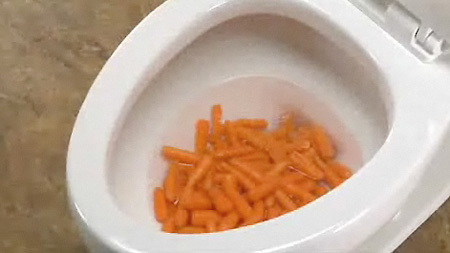
Introduction
Lots of people are typically confronted with the dilemma of what to do with food waste, specifically when it comes to leftovers or scraps. One typical inquiry that emerges is whether it's fine to flush food down the bathroom. In this short article, we'll look into the reasons individuals might take into consideration flushing food, the effects of doing so, and different techniques for correct disposal.
Reasons why individuals could take into consideration flushing food
Lack of understanding
Some individuals may not know the prospective damage caused by purging food down the commode. They might mistakenly believe that it's a safe method.
Benefit
Purging food down the commode might look like a fast and very easy remedy to dealing with unwanted scraps, specifically when there's no close-by trash can available.
Laziness
In some cases, individuals may simply choose to flush food out of sheer negligence, without taking into consideration the effects of their actions.
Consequences of flushing food down the toilet
Environmental influence
Food waste that ends up in rivers can contribute to contamination and injury aquatic ecosystems. Additionally, the water used to purge food can stress water sources.
Plumbing problems
Flushing food can lead to clogged pipelines and drains, causing expensive pipes repair work and hassles.
Types of food that ought to not be flushed
Coarse foods
Foods with coarse appearances such as celery or corn husks can get tangled in pipelines and trigger clogs.
Starchy foods
Starchy foods like pasta and rice can absorb water and swell, bring about obstructions in pipes.
Oils and fats
Greasy foods like bacon or food preparation oils must never ever be flushed down the bathroom as they can solidify and cause clogs.
Correct disposal approaches for food waste
Using a waste disposal unit
For homes outfitted with waste disposal unit, food scraps can be ground up and flushed through the pipes system. However, not all foods are suitable for disposal in this manner.
Recycling
Particular food product packaging materials can be reused, reducing waste and decreasing ecological impact.
Composting
Composting is an environment-friendly method to dispose of food waste. Organic materials can be composted and made use of to enhance soil for gardening.
The value of proper waste management
Lowering ecological damage
Appropriate waste management techniques, such as composting and recycling, aid lessen contamination and protect natural deposits for future generations.
Safeguarding plumbing systems
By avoiding the practice of flushing food down the bathroom, house owners can protect against costly plumbing repair services and preserve the honesty of their plumbing systems.
Final thought
Finally, while it might be alluring to purge food down the toilet for comfort, it's important to comprehend the possible effects of this activity. By adopting proper waste administration techniques and throwing away food waste responsibly, individuals can contribute to much healthier pipes systems and a cleaner environment for all.
FLUSH FOOD DOWN THE TOILET?
FLUSHING FOOD CAN CAUSE BLOCKED DRAINS IN YOUR HOME
All of the plumbing fixtures in your home are connected to the same sewer pipe outside of your home. This outdoor sewer pipe is responsible for transporting all the wastewater from your home to the Council sewer mains. Even small pieces of food that go down the kitchen sink can cause problems for your sewer. It should therefore be obvious that flushing larger bits of food, such as meat, risks a clog in either the toilet itself or the sewer pipes. Flushing greasy food is even more problematic because oil coagulates when it cools, coating the interior lining of your pipes.
THE TOILET IS NOT A BIN
Food isn’t the only thing that people shouldn’t be flushing down the toilet. People use the toilet to dispose of all kinds of things such as tampons, makeup wipes, dental floss, kitty litter and even underwear. Water goes to great lengths to educate residents about the high costs and stress placed on wastewater treatment systems simply from people flushing the wrong stuff down the toilet. It costs taxpayers millions of dollars each year, and homeowners thousands in blocked drain repairs.
FLUSHING FOOD IS A WASTE OF WATER
Flushing food is a waste of our most precious resource - water. In June this year Level 1 water restrictions were introduced to protect water supply from drought conditions. Much of New South Wales continues to be affected by prolonged drought with recent figures revealing up to 97 per cent of the state remains in drought. Depending on whether you have a single or dual flush toilet, every single flush uses between five and 11 litres of water. In the current climate this is a huge amount of water to be wasting on flushing food that should be placed in the bin (or better yet, the compost).
https://www.jabplumbingsolutions.com.au/blog/can-you-flush-food-down-the-toilet

As an avid person who reads on Flushing Food Down the Toilet?, I figured sharing that excerpt was smart. Sharing is caring. You just don't know, you might be helping someone out. Thank you for being here. Please visit our website back soon.
This Site