Just about everyone may have their own unique conception when it comes to When to call a professional plumber vs. DIY.
Intro
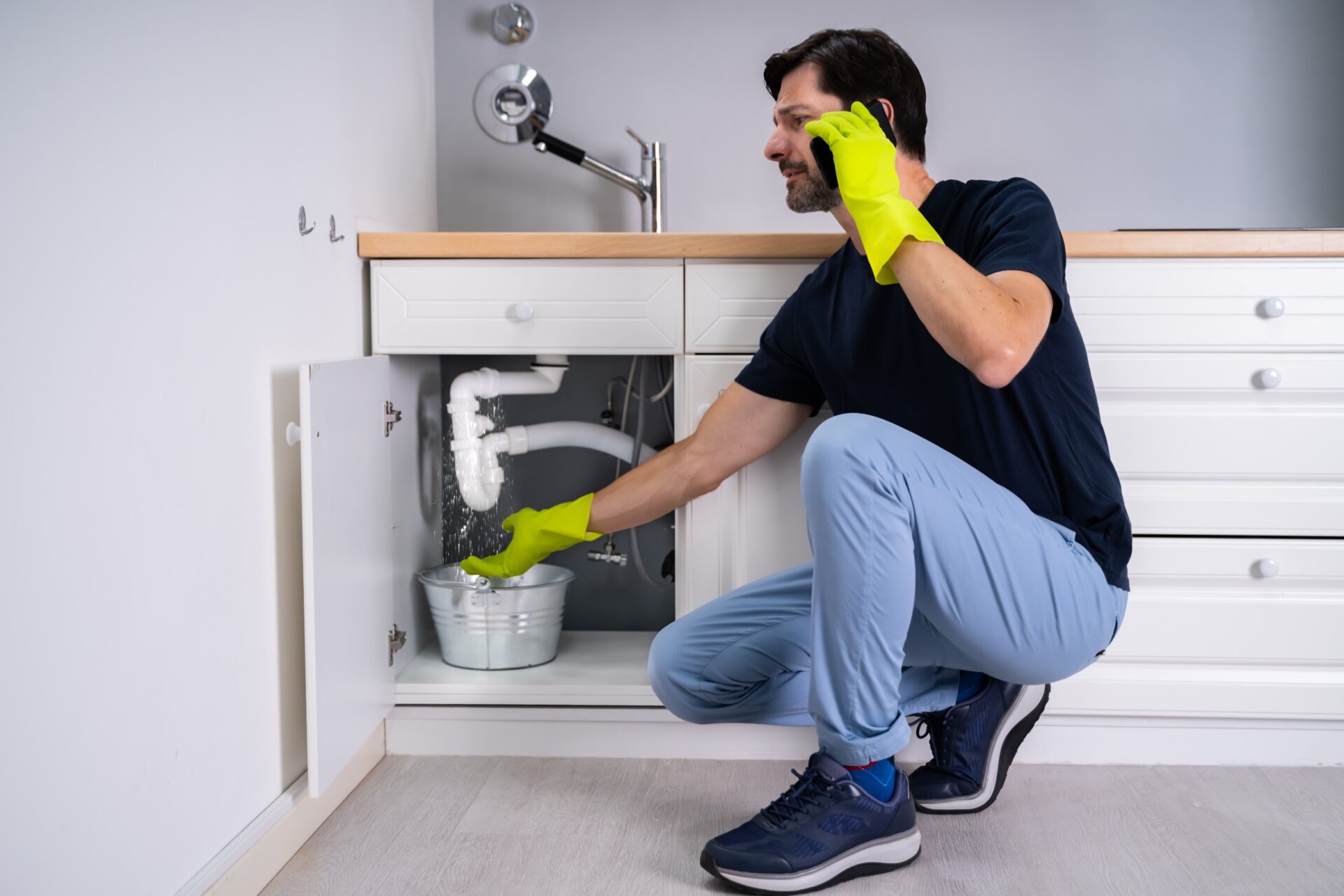
Pipes problems can vary from small hassles to significant headaches, frequently prompting homeowners to make a decision in between tackling the problem themselves or calling an expert plumber. Recognizing when to do it yourself and when to seek specialist assistance can save time, money, and avoid prospective calamities. This post explores the variables to consider when making this critical decision.
Advantages of DIY Pipes
Handling pipes jobs on your own can be satisfying in numerous ways, especially for easier jobs.
Cost Cost savings
DIY plumbing tasks frequently conserve money by staying clear of professional service fees. Jobs like dealing with small leakages, replacing faucets, or installing brand-new showerheads are instances where house owners can handle repair work without hiring a plumbing.
Ability Improvement
Taking part in do it yourself plumbing uses a possibility to find out and improve useful skills. Standard jobs empower home owners to recognize their pipes systems much better and gain confidence in taking care of small fixings separately.
Dangers of DIY Plumbing
While do it yourself jobs supply advantages, specific threats need to be very carefully thought about before attempting repair services.
Intricacy of Jobs
Some pipes problems call for specific expertise and tools beyond typical homeowner capacities. Mishandling complex problems can bring about additional damages and expensive repair services.
Security Worries
Dealing with pipes systems involves risks such as exposure to water damages, potential for electrical risks, and dealing with devices inaccurately. Safety precautions should be observed to prevent mishaps and make certain effective repair services.
Indicators to Call a Specialist Plumbing Technician
Recognizing when a plumbing issue exceeds DIY capacities is vital to stop intensifying problems.
Indicators of Complicated Problems
Examples include:
Prompt specialist intervention is needed to deal with these issues successfully and minimize damages.
Do It Yourself Plumbing Tips
For successful do it yourself plumbing, it's necessary to be prepared with the right tools and adhere to appropriate procedures.
Fundamental Tools and Products
Trick tools for DIY plumbing:
Step-by-Step Guides
Clear directions ensure safe and effective DIY repair services:
Choosing the Correct Time to Do It Yourself
Identifying when to deal with plumbing tasks on your own needs analyzing both the intricacy of the concern and personal comfort levels.
Evaluation Checklist
Consider:
When to Certainly Call a Professional
Certain situations require prompt skilled interest to stop considerable damages or security threats.
Instances include:
Searching for and Employing a Professional Plumbing Technician
Picking a certified plumbing technician makes sure reputable service and satisfaction in settling plumbing problems.
Criteria for Choice
Factors to think about:
Price Analysis: DIY vs. Expert Services
Comparing the financial effects of do it yourself initiatives versus professional pipes services assists in making educated decisions.
Financial Considerations
Examine:
Verdict
Determining whether to DIY or call a professional plumbing hinges on recognizing the complexity of plumbing concerns and personal abilities. By considering the benefits and dangers, house owners can make educated options that advertise efficient upkeep and secure their homes from pipes calamities.
When to DIY and when to call a professional plumber
There are Australian laws and regulations that regulate plumbing work in Australia. This means that there are few home plumbing tasks that you can DIY. Besides, a lot can go wrong with DIY plumbing projects. However, there are also plumbing works that you can successfully DIY. Read on to know when to DIY and when to call a professional plumber.
You can learn more about the risks of DIY plumbing projects, projects requiring special caution, and illegal DIY plumbing works to avoid. This post concludes with the services of commercial plumbers and why getting expert help is essential.
Reasons to Attempt DIY Plumbing Projects
While it is often not advisable to perform DIY plumbing repairs, several pros of DIY plumbing projects can make them attractive.
Save costs
A significant reason for doing DIY plumbing jobs is to save costs. It is possible to save on labour charges and overall fees if you buy the needed tools and parts from local hardware stores and do the repairs yourself.
Gaining experience
You can gain some hands-on experience in basic plumbing repair if you watch online videos and attempt the repairs yourself.
Confidence boosting
You can boost your confidence and self-reliance skills by performing DIY plumbing repairs and installations yourself.
Risks of DIY Plumbing Projects
If something goes wrong with your DIY plumbing project, you may have unfavourable results that you may consider the cons of DIY plumbing.
For one, your home may get so extensively water-damaged that your home and contents insurance will not cover you. You will also have to spend more money to repair the water or sewage problem than you would otherwise spend for professional plumbing jobs. Besides, you may often spend more time on DIY plumbing work than an experienced plumber would spend. This is because you may not have the needed skill set. There are also related safety hazards and potential threats of DIY plumbing jobs that you may need to consider. Plumbing Issues You Can Fix Yourself
You can attempt DIY plumbing for plumbing issues such as replacing tap washers, installing shower heads or performing minor tap leak repairs. However, it would help if you invited licensed plumbers to fix complex leaking showers, effectively deal with blocked drains, or repair hot water systems. This is the best way to ensure these plumbing issues are correctly fixed, and the project is insured.
Fixing clogged or blocked drains
You may have clogged drains or need help with slow-draining showers. These are tasks that you can resolve yourself using several options. To fix blocked drains, you may use baking soda, plungers, or wire hangers. Meanwhile, you can take the preventive measure of installing filtration systems such as drain filters to help prevent drain clogs.
New faucet installations
It is possible to install a new faucet yourself. You would have to turn off the hot and cold water valves. Then, you can remove and fix the old faucet and replace it with the new one.
Leaky faucet repairs
While leaky faucet repairs are more technical than installations, you can also take some steps to fix them. Turning off water valves is the first step in draining water from plumbing systems. Next, you can use a washcloth to cover the drain and remove the decorative handles.
This will allow enough room to unscrew the nuts that attach the faucet handle to the stem. Your final step is to take out and replace the old washers and O-rings with the new duplicates.
Fixing running toilets
An occasional DIY solution for running toilets is to restore the flapper in the tank to its proper place.
Burst pipes
You may have issues with your exterior plumbing fixtures. It may simply be that your inbound or outbound pipes have worn out, or you may have burst pipes due to flooding or large tree roots.
You may also have frozen pipes. These are all instances when you need to call a professional plumber. They will perform pipe inspections to locate the problem and implement solutions such as pipe relining.
Interior plumbing repairs
It's usually time to call a competent plumber if you want to do plumbing repair work on floors, ceilings, or the walls of your building. They can also help you fix faulty showers and sinks.
Plumbing renovation
Major renovation projects or plumbing jobs such as bathroom remodelling and bathroom renovations require the services of a professional plumber. Likewise, you need a professional plumber to fix your kitchen sink or plumbing. They can help you get the required plumbing permits. At the same time, they know what building codes apply to such renovation projects.
I'm certainly very taken with When to Call a Plumber? DIY or Professional Help and I am assuming you enjoyed the blog entry. Sharing is good. Helping people is fun. Many thanks for your time invested reading it.
Call Today